VascuSense is the brain-health diagnostics initiative of VascuBio Innovation. We combine biomedical engineering, microfluidics, proteomics, and data science to translate emerging blood-based biomarkers into practical workflows—so older adults can access screening earlier and on their own terms.
Alzheimer’s disease and related cognitive decline affect millions of families, yet accessible early-screening tools remain limited. Conventional pathways often depend on clinic visits, venous draws, or expensive imaging—creating barriers for rural communities, people with limited mobility, and anyone who needs repeated monitoring.
VascuSense extends years of work in microfluidics, biomaterials, and translational R&D toward a single integrated goal: lower-friction, decentralized blood-based screening aligned with the science of plasma proteomics and machine learning for MCI and Alzheimer’s disease.

To make biomarker-informed screening for cognitive decline more accessible through patch-based sampling, robust low-volume proteomics, and evidence-backed interpretation—without replacing clinical diagnosis.
A future where the same decentralized infrastructure supports brain health monitoring, research recruitment, and expanded panels for related neurological and chronic conditions.
The core team bridges startup execution with deep technical expertise in biomedical engineering, proteomics workflows, and translational biotechnology—supported by advisors across academia and industry.
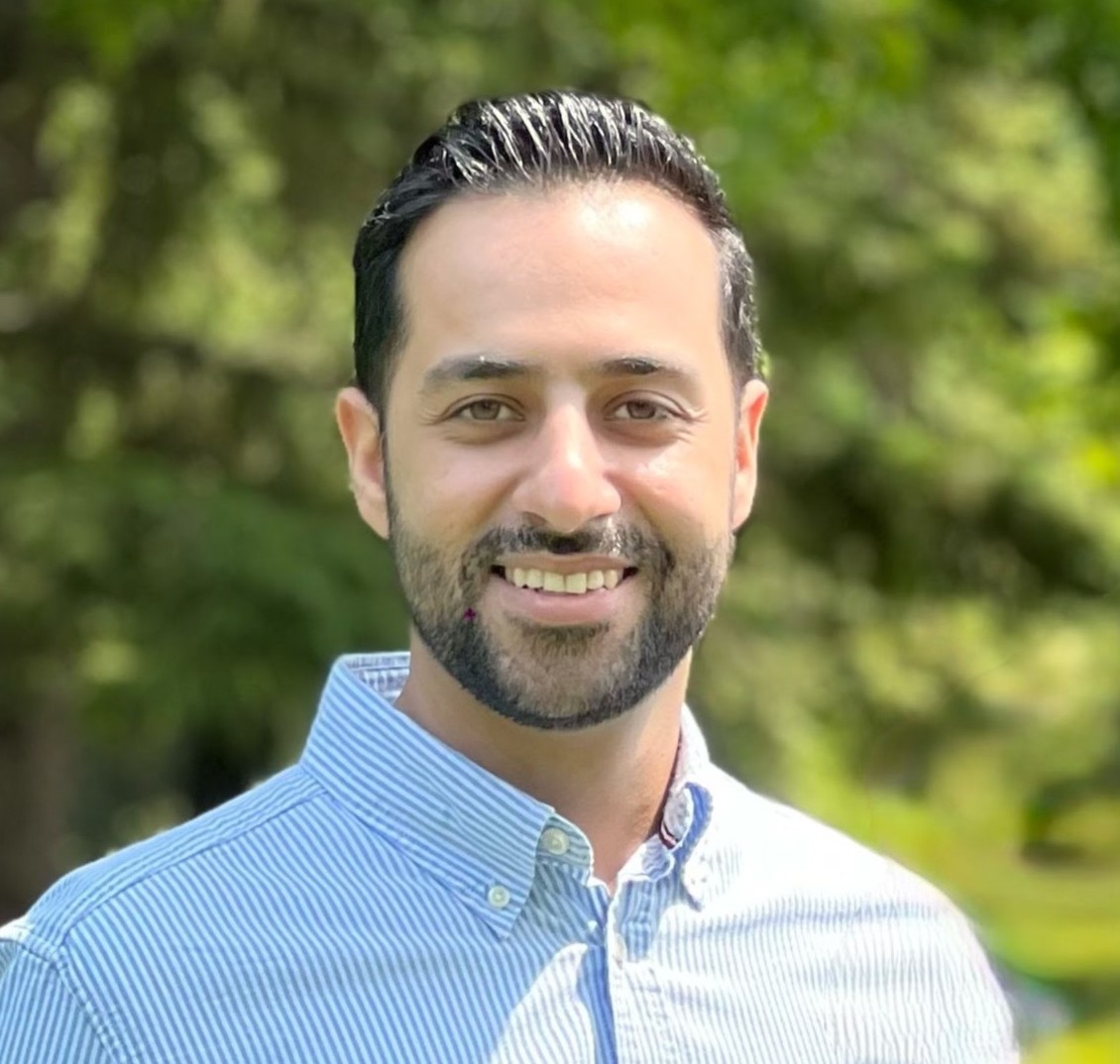
Co-Founder & CEO, VascuBio Innovation
Leads company strategy, partnerships, and translation of VascuSense from feasibility toward clinical validation and pilot readiness.
Co-Founder & CTO, VascuBio Innovation
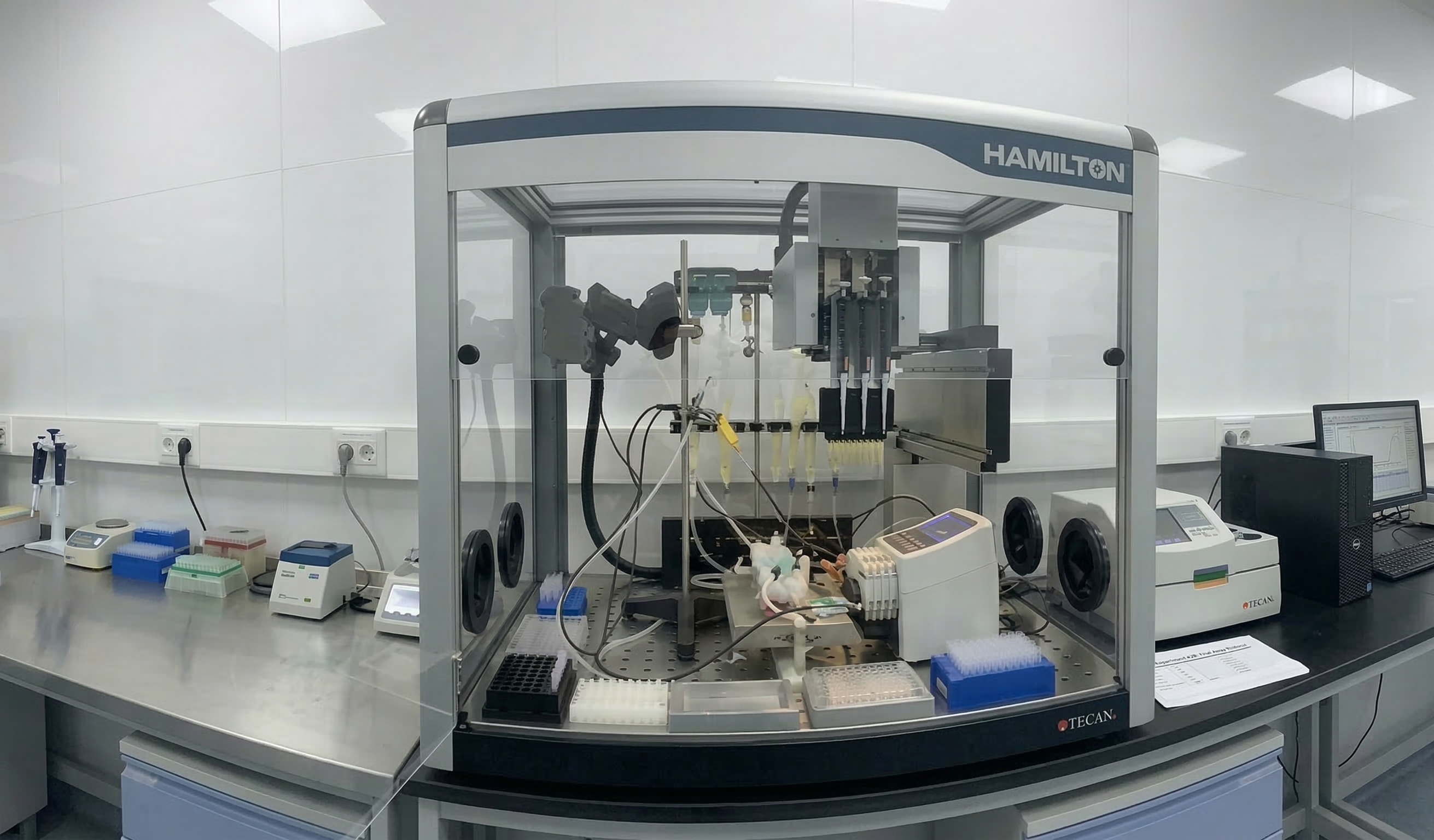
Drives microfluidic systems, biomaterials integration, and end-to-end workflow development for sample collection and assay compatibility.
Advisor
Guides commercialization, fundraising, and market positioning for life science ventures scaling from technical validation to adoption.
Clinical and analytical validation drive every product decision—from sample stability to model performance.
Older adults and caregivers shaped our workflow priorities: comfort, clarity, and minimal burden.
Decentralized screening is intended to reach underserved geographies and populations facing structural barriers to care.
We communicate clearly about development stage, regulatory status, and the role of screening versus diagnosis.
Partnerships, pilots, and research collaborations—reach out to start a conversation.
Contact