Integrated diagnostics

VascuSense is developing a minimally invasive, decentralized blood-based screening platform for early detection of mild cognitive impairment (MCI) and Alzheimer’s disease. The workflow unites sample collection, multiplex proteomics compatible with very small volumes, and data-driven interpretation—so assessment can move closer to where people live.

Patch-based capillary blood collection concept
Collection

VascuPatch capillary sampling

The VascuPatch workflow enables capillary blood collection in a simple, needle-minimized format. Samples are designed for reliable small-volume collection suitable for shipping and downstream plasma preparation—supporting use at home, in the community, or in point-of-care settings.

  • Low-burden, decentralized collection without routine venipuncture
  • Volumes compatible with multiplex proteomic pipelines
  • Pathway for repeat sampling and longitudinal monitoring
  • Strong usability signals from early work with older adults and caregivers
Microfluidic and laboratory workflow
Microfluidics & proteomics

Low-volume plasma & multiplex assays

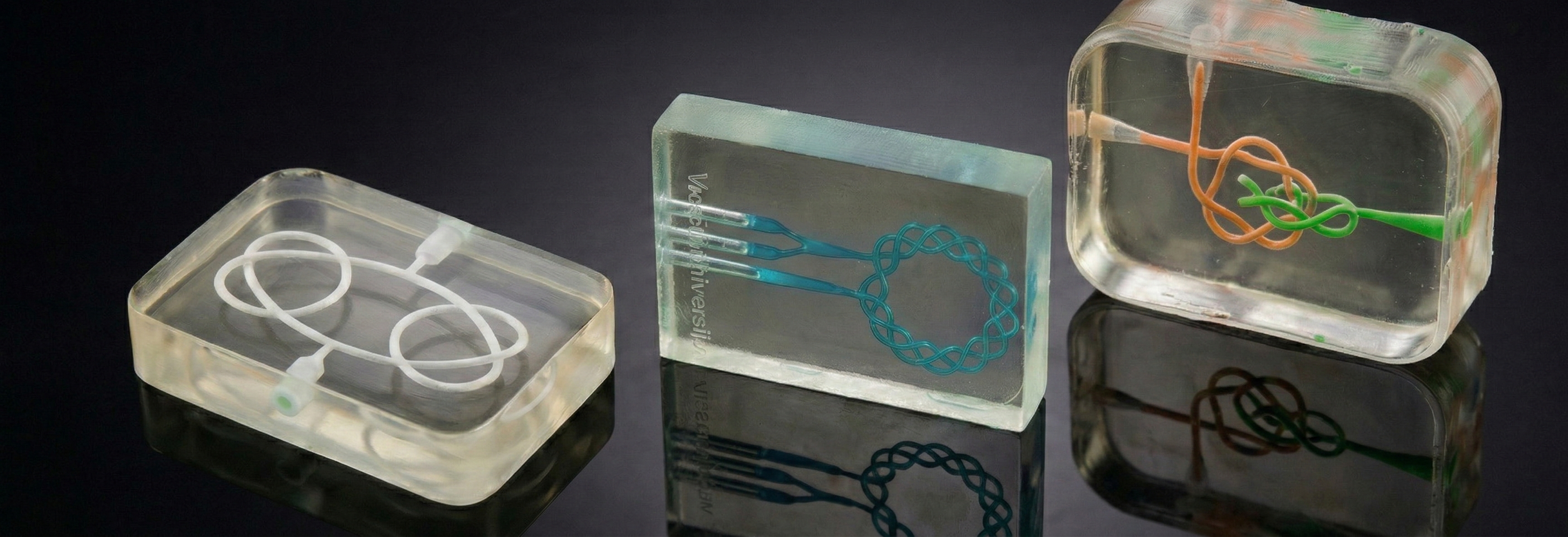
Collected material moves through a sample preparation workflow optimized for low-volume plasma analysis. Multiplex proteomic readouts (for example using high-plex immunoassay platforms) target proteins associated with tau, amyloid, and neurodegeneration—aligned with emerging blood-based biomarker science for Alzheimer’s disease.

  • Microfluidic-friendly handling and automation-ready steps
  • Multiplex panels for rich biological signal from small input
  • Quality metrics suited to screening and validation studies
  • Modular design to extend to other neurological and aging-related panels
Data and brain health interpretation
Interpretation

Screening-oriented analytics

Biomarker measurements are combined with analytical and machine learning methods to explore classification, risk stratification, and robustness requirements for real-world screening. Near-term use cases emphasize early identification and appropriate follow-up; the same platform architecture can support broader brain health and monitoring applications over time.

  • Pattern recognition across multiplex protein data
  • Emphasis on generalizability and bias awareness across cohorts
  • Reporting aligned to clinical and research workflows
  • Roadmap toward pilot deployment with health and trial partners

Why it matters

Many people are identified only after cognitive symptoms progress, partly because traditional pathways rely on clinic visits, venous draws, or imaging that can be costly or hard to access. VascuSense is built to reduce friction and expand equitable access to blood-based screening.

MCI & Alzheimer’s risk

Earlier stratification to support timely clinical follow-up and care planning.

Point-of-care & remote

Decentralized models for community sites, rural regions, and mobility-limited populations.

Trial recruitment

Scalable pre-screening for pharmaceutical and research studies in neurodegeneration.

Future panels

Platform extensibility to inflammatory, metabolic, and cardiovascular markers from the same infrastructure.

Collaborate on validation

We engage with clinical, laboratory, and industry partners on feasibility studies, evidence generation, and implementation design.

Contact us